


Cashews are the snack that can make anyone feel fancy. With their buttery texture and rich flavor, they’re a favorite in trail mixes and gourmet dishes alike. But here’s the million-dollar question: are they tree nuts or just some nutty imposters?
Understanding Cashews
Cashews originate from the cashew tree, scientifically known as Anacardium occidentale. This tree produces both cashew nuts and cashew apples. While the nut is often deemed a tree nut, cashews technically fall under the category of seeds.
Cashews grow in a unique manner. They develop outside of the fruit, which is distinct from many nuts like almonds and walnuts that grow inside shells. The nut attaches to the cashew apple, a pulpy, pear-shaped fruit. Harvesting involves detaching the cashew apple and roasting the nuts to eliminate toxic compounds.
Cashews hold a place in culinary applications worldwide. They enhance flavors in savory dishes and elevate desserts. The creamy texture makes them popular in vegan cheese and sauces which add richness to recipes. Nutritionally, cashews provide monounsaturated fats, protein, and essential minerals, such as copper and magnesium.
For individuals with nut allergies, the classification can pose concerns. Understanding that cashews are seeds may offer relief. However, those allergic to tree nuts often react similarly to cashews. Consulting with healthcare professionals remains essential for allergy management.
In terms of usage, cashews excel in both raw and roasted forms. Many enjoy them as snacks, while others incorporate them into trail mixes or serve them in gourmet cuisine. Their adaptability in various dishes ensures continued popularity. Overall, the classification of cashews may differ from perceived categories, yet their culinary and nutritional benefits remain undeniable.
Classification of Nuts
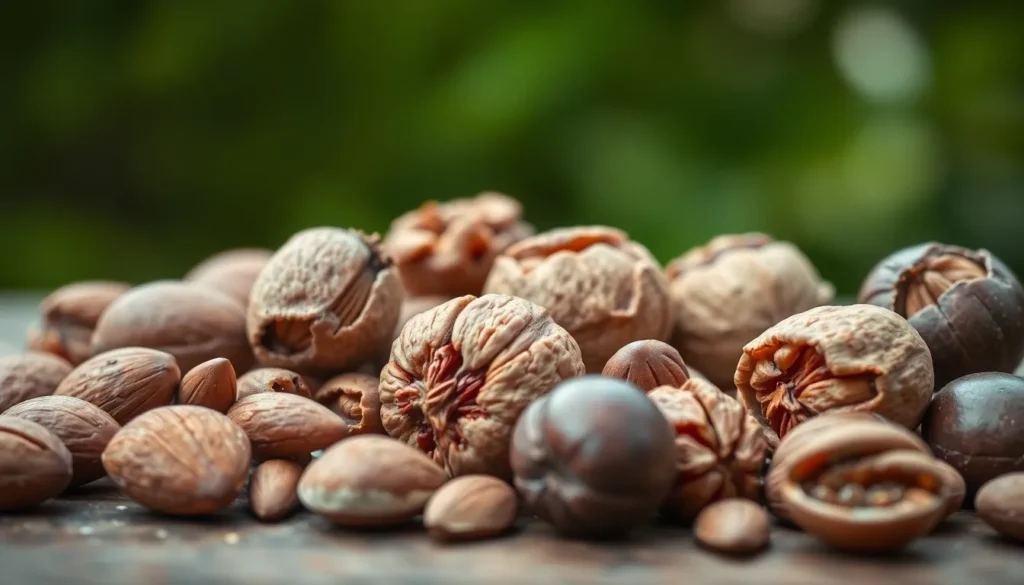
Nuts fall into various categories based on botanical classifications. Specific definitions help clarify the differences, especially regarding allergies and culinary uses.
What Are Tree Nuts?
Tree nuts are typically edible seeds found in hard shells that grow on trees. Common examples include almonds, walnuts, and hazelnuts. These seeds generally contain high levels of healthy fats, protein, and vitamins. They offer significant nutritional benefits and serve as popular snacks. Some individuals with allergies to tree nuts experience severe reactions, making this classification crucial for dietary considerations.
The Botanical Perspective
From a botanical standpoint, the classification differs from culinary notions. Botanical nuts include hard-shelled fruits that do not open at maturity, such as acorns and chestnuts. However, many culinary nuts are seeds, like cashews and peanuts, which grow outside their fruit. This distinction highlights the complexity of nut classification. Recognizing these differences aids in understanding dietary restrictions.
Are Cashews A Tree Nut?
Cashews often spark curiosity regarding their classification. Although commonly viewed as tree nuts, they are technically seeds from the cashew apple fruit.
Nutritional Profile of Cashews
Cashews provide a rich nutritional profile. These seeds contain approximately 553 calories per 100 grams, showcasing a substantial energy source. They offer 18 grams of protein, contributing to muscle repair and growth. About 44 grams of healthy fats emerge from monounsaturated sources, which promote heart health. Cashews also supply essential minerals, including 593 mg of copper and 292 mg of magnesium per 100 grams, supporting various bodily functions. Their antioxidant content enhances overall health, making them a favorable addition to a balanced diet.
Health Implications for Allergies
Allergic reactions can occur with cashew consumption. Although cashews are seeds, individuals with tree nut allergies may experience sensitivity or reactions. Symptoms of an allergy can range from mild to severe, including hives, swelling, or even anaphylaxis. Consulting with healthcare professionals ensures proper management and understanding of individual allergies. This caution applies particularly if a person has existing sensitivities to other nuts. Proper education on cashew classification aids in navigating dietary restrictions associated with allergies.
Comparing Cashews to Other Nuts
Cashews share notable characteristics with tree nuts, contributing to their culinary appeal. They exhibit a rich flavor and creamy texture often found in nuts like almonds and walnuts. Nutritionally, cashews provide healthy monounsaturated fats and essential minerals, resembling the benefits of traditional tree nuts. They enhance various dishes, from savory meals to desserts, paralleling the versatility of tree nuts used in the kitchen.
Differences between cashews and tree nuts highlight their unique classification. Unlike tree nuts that form within a hard shell, cashews occur as seeds growing outside the fruit of the cashew apple. This botanical distinction is critical for allergen identification since cashew allergic reactions may occur in individuals allergic to tree nuts. Understanding these differences clarifies the importance of properly categorizing food items, influencing dietary choices and health considerations.
Cashews offer a unique blend of culinary versatility and nutritional benefits that make them a popular choice in many diets. While they’re often grouped with tree nuts due to their similar flavor and texture, it’s essential to recognize that they’re technically seeds. This distinction has implications for those with allergies and dietary restrictions. Understanding the classification of cashews can help individuals make informed choices about their consumption. Whether enjoyed in savory dishes or as a creamy vegan ingredient, cashews continue to delight taste buds while providing valuable nutrients.