


Have you ever wondered what the future holds for humanity? Spoiler alert: it’s not just the Jetsons-style flying cars and robot butlers we imagined as kids. As we venture deeper into the 21st century, the landscape of human evolution is shifting in fascinating and occasionally jaw-dropping ways. From technology altering our biology to environmental factors stirring the pot of genetic changes, it’s more than just survival of the fittest nowadays. So, grab a cozy drink and get ready to explore the thrilling possibilities that lie ahead.
Overview of Human Evolution
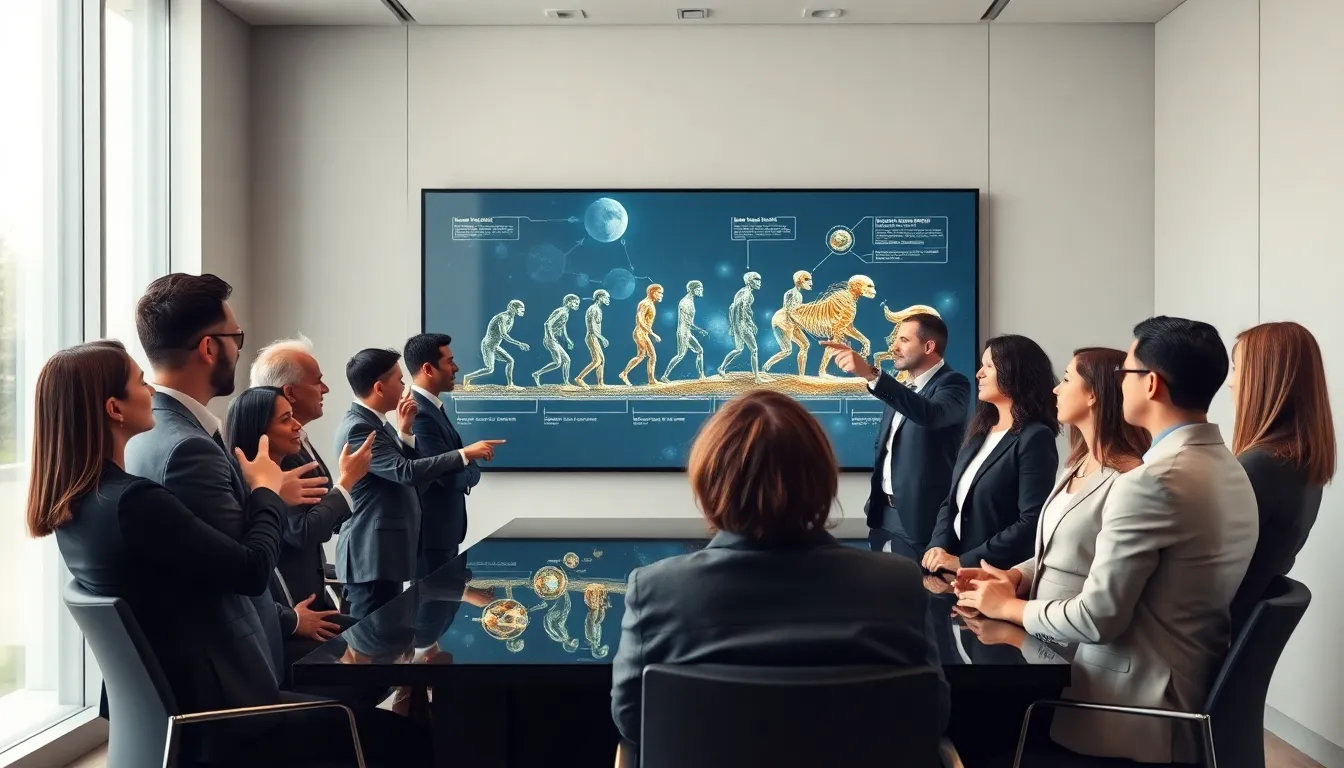
Human beings, as we know them today, have been shaped by millions of years of evolution. From our primate ancestors swinging through trees to modern Homo sapiens, the journey has been both dramatic and complex. Significant events like the development of bipedalism and the mastery of tools marked crucial points in this evolutionary timeline. But evolution isn’t a one-time event: it’s a continual process. Factors such as genetics, environment, and culture all interact to shape who we are. Understanding where we’ve come from helps to forecast where we’re headed in the future.
Key Trends in Human Evolution
Several key trends are currently taking shape in the realm of human evolution. Genetic diversity seems to be on the rise, spurred by globalization and increased intermingling of populations. Interestingly, certain genetic traits are becoming more prominent in specific regions due to localized environmental conditions, a concept known as modern adaptation. Also, reproductive choices influenced by social and technological changes are rapidly altering our genetic profiles. For instance, people are increasingly choosing partners based on factors like health and genetics, potentially contributing to the evolution of resilient traits in future generations.
Technological Influence on Evolution
In a world where technology is evolving at breakneck speed, its impact on human evolution cannot be overstated. Genetic engineering, for example, has opened a Pandora’s box of possibilities. With CRISPR and other gene-editing tools, humans may soon have the ability to enhance cognitive abilities or eliminate hereditary diseases before birth. The potential benefits are staggering, but so too are the ethical dilemmas. As we start blending biology with technology, the very definition of what it means to be human may undergo significant transformation. Will we still consider ourselves human if we enhance our brains or bodies? This blending of technology and biology could accelerate evolution but also pose questions about identity and morality.
Environmental Factors and Their Impact
Environmental changes have always been a driving force behind human evolution. Climate change, urbanization, and global pandemics are reshaping not just our planet, but also our biological makeup. For instance, as temperatures rise, humans may develop traits that enhance heat resistance. Urban living could lead to adaptations that favor traits suited to crowded conditions, such as increased tolerance to pollutants. Meanwhile, pandemics, like COVID-19, can create rapid pressures on genetic variation as some individuals are more susceptible to diseases than others. In a twist of irony, while humans have often adapted their environments, the environment is now adapting us.
Ethical Considerations in Human Evolution
As the landscape of human evolution changes, a plethora of ethical questions arises. If genetic modifications become commonplace, who gets access? What happens to the notion of ‘natural’ evolution? There’s the risk of creating a divide between ‘enhanced’ humans and those who cannot afford these advancements. Also, variable rules of genetic modification could lead to unintended consequences, like creating diseases or vulnerabilities that weren’t present before. Ethics cannot be an afterthought: they must be part of the conversation as we march toward a future filled with new possibilities.
Potential Scenarios for Future Humans
What might future humans look like, you ask? There’s no shortage of possibilities. Imagine individuals who may boast increased lifespans, cognitive enhancements, or immunity to common diseases, all courtesy of cutting-edge biotechnology. Alternatively, they might evolve in ways we can’t even envision today, perhaps adapting to live healthier lives in harsher environments. While these scenarios brim with potential, they also come with significant risks. The variance in adaptations could lead to unforeseen societal divides. Will the rich get richer and the poor remain behind in evolution? The implications are profound, and they highlight the need for a vigilant and inclusive dialogue surrounding the future of humanity.