


In a world overflowing with stuff, the minimalist lifestyle offers a refreshing escape. Imagine living with less clutter and more clarity, where every item serves a purpose and every moment counts. It’s like decluttering your closet but for your entire life—who wouldn’t want that?
Minimalism isn’t just about tossing out old socks or saying goodbye to that questionable ceramic cat. It’s a mindset that encourages individuals to focus on what truly matters. By shedding the excess, one can discover a newfound freedom and creativity that’s often buried under piles of possessions. So, if you’re ready to trade chaos for calm and find joy in simplicity, let’s dive into the art of living with less.
What Is a Minimalist Lifestyle?
A minimalist lifestyle centers around simplifying one’s life by focusing on essential items and experiences. This approach promotes intentional living and encourages individuals to define their values and priorities clearly. Emphasizing quality over quantity enhances the overall experience of daily life.
Detachment from material possessions creates space for meaningful relationships and personal growth. Happiness often comes from appreciating the present moment rather than accumulating unnecessary items. Many individuals find that living with less fosters creativity and freedom, allowing them to pursue passions more fully.
Simplicity manifests in various aspects, including personal belongings, commitments, and even mental space. Those who adopt a minimalist lifestyle often report reduced stress levels and a greater sense of accomplishment.
Living minimally does not mean sacrificing comfort or enjoyment; it involves making intentional choices about what genuinely adds value to life. By letting go of excess, one can focus on cultivating experiences and connections that truly resonate. Many minimalists celebrate the joy found in simplicity, underscoring the idea that less truly can be more.
Ultimately, a minimalist lifestyle serves as a powerful tool for enhancing well-being and clarity. Through minimizing distractions and clutter, individuals create an environment that supports their goals and aspirations. This approach invites everyone to consider their relationship with materialism and adopt a more fulfilling life.
Benefits of a Minimalist Lifestyle
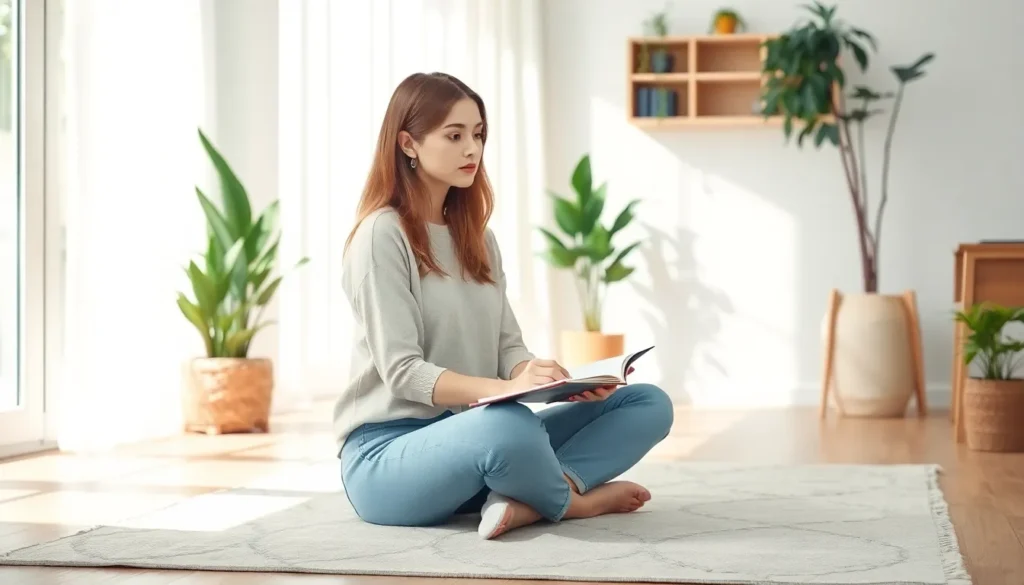
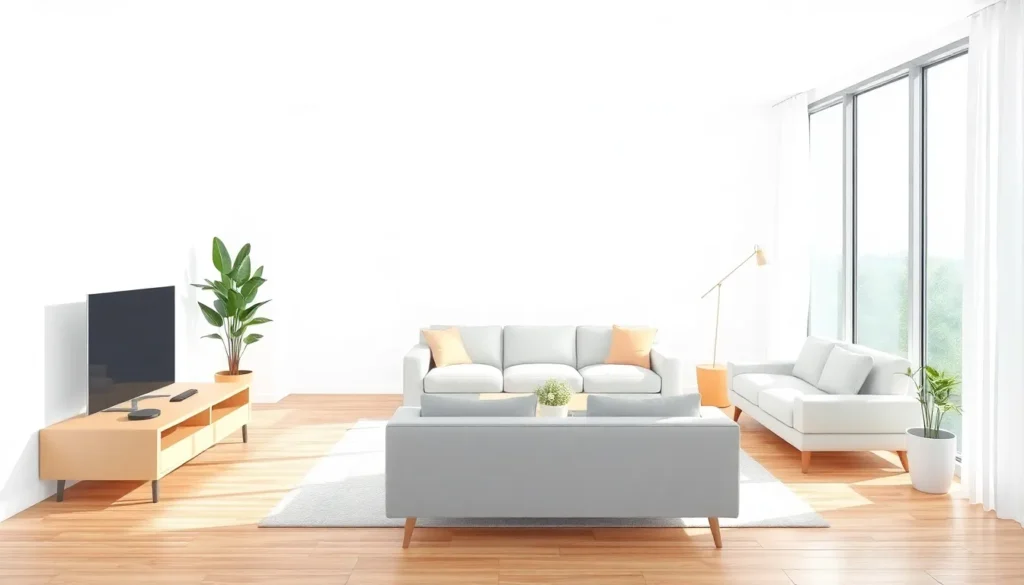
A minimalist lifestyle offers numerous advantages that contribute to overall well-being and satisfaction. Embracing simplicity leads to a variety of positive outcomes.
Increased Focus and Clarity
Focusing on essential items promotes mental clarity. Reduced distractions allow individuals to concentrate on their goals and what truly matters. Simplifying one’s environment leads to better organization, making it easier to engage in meaningful activities. They experience heightened productivity as they eliminate unnecessary tasks and possessions. Prioritizing vital aspects fosters a sense of purpose, guiding daily decisions. Clarity emerges from having fewer choices, which can minimize decision fatigue.
Enhanced Financial Freedom
Cutting back on material possessions often results in significant savings. Spending less on non-essential items allows individuals to allocate resources more wisely. Increased financial freedom empowers them to invest in experiences rather than things. Creating a minimalist budget helps prioritize needs over wants, leading to smarter financial decisions. Less clutter in finances also means lower bills and maintenance costs. An intentional approach fosters savings for future goals, such as travel or education.
Improved Environmental Impact
Adopting minimalism contributes to sustainability efforts. Reducing consumption leads to less waste generated. When individuals buy only what they need, they help decrease demand for mass-produced items that harm the environment. Choosing quality over quantity results in longer-lasting products and less frequent replacement. A minimalist lifestyle encourages eco-friendly choices, such as shopping second-hand or supporting local businesses. These actions ultimately contribute to a healthier planet.
How to Start a Minimalist Lifestyle
Starting a minimalist lifestyle requires intentional actions and reflections on personal values. Individuals can gradually shift towards minimalism through thoughtful assessments and mindful decisions.
Assessing Your Current Lifestyle
Evaluating personal belongings and habits lays the foundation for minimalism. Begin by identifying items used regularly versus those rarely touched. Reflecting on values clarifies priorities and highlights areas for improvement. Assessing time spent on various activities sheds light on whether they align with personal goals. Recognizing distractions helps pinpoint unnecessary commitments causing stress. Individuals can streamline their focus, ultimately simplifying their lives and enhancing overall well-being.
Decluttering Your Space
Successfully decluttering involves methodical steps that maximize efficiency. Start with one room or area to avoid feeling overwhelmed. Categorizing items into keep, donate, or discard simplifies the decision-making process. Choosing to retain items that provide genuine value or joy creates a more meaningful space. Implementing a 30-day decluttering challenge can motivate quick results. Gradual progress encourages ongoing evaluation of belongings, maintaining a clutter-free environment long term.
Embracing Minimalism in Daily Life
Incorporating minimalism into everyday routines promotes lasting change. Focusing on quality over quantity influences purchasing decisions, fostering smarter consumer habits. Engaging in experiences rather than accumulating possessions enriches daily life. Establishing minimalist rituals, like a morning routine, sets a positive tone for the day. Adopting digital decluttering strategies enhances mental clarity, reducing distractions. Practicing gratitude reinforces appreciation for what one has, nurturing a lifestyle centered on fulfillment and purpose.
Challenges of Adopting a Minimalist Lifestyle
Adopting a minimalist lifestyle presents various challenges. Significant emotional attachments to possessions can hinder progress.
Overcoming Emotional Attachments
Individuals often struggle with letting go of items loaded with sentimental value. Memories tied to belongings frequently create reluctance to part with them. By recognizing the difference between sentiment and practicality, individuals can shift their perspectives. Approaching decluttering with a mindset focused on what truly adds value helps ease this process. Insights from minimalist advocates suggest that focusing on experiences rather than objects can simplify decisions about cherished items. Emphasizing the intention behind possessions, rather than their emotional weight, can facilitate easier transitions in purging belongings.
Managing Societal Pressures
Societal expectations can complicate the journey towards minimalism. Friends and family may inadvertently impose pressure to conform to conventional lifestyles. Embracing a minimalist philosophy involves resisting the urge to accumulate goods for appearances. Often, people feel compelled to keep up with trends and consumer demands, creating unnecessary clutter. Prioritizing personal values over societal standards fosters a greater alignment with minimalist principles. Building a community with like-minded individuals can offer support in navigating these external pressures. Valuing meaningful experiences above material possessions strengthens one’s commitment to a minimalist approach.
Embracing a minimalist lifestyle can lead to profound changes in one’s life. By prioritizing what truly matters individuals can cultivate a sense of freedom and clarity that enhances their overall well-being. This intentional approach encourages deeper connections and a more meaningful existence.
As individuals reflect on their relationship with materialism they may find that the journey toward minimalism is not just about decluttering but rather about enriching their lives. By making conscious choices and focusing on experiences over possessions it’s possible to create a fulfilling life that resonates with personal values.
Ultimately minimalism offers a path to a more sustainable and satisfying way of living where happiness is derived from simplicity and presence rather than accumulation.