


In a world where yesterday’s problems seem to multiply like rabbits, the quest for tomorrow’s solutions has never been more crucial. Imagine a future where innovation reigns supreme, turning obstacles into stepping stones and transforming challenges into opportunities. It’s not just a pipe dream; it’s the reality that forward-thinking minds are crafting right now.
From groundbreaking technologies to sustainable practices, tomorrow’s solutions promise to tackle issues that have plagued society for far too long. With a dash of creativity and a sprinkle of humor, these solutions are not just practical—they’re downright exciting! So buckle up and get ready to explore how tomorrow’s innovations can make the world a better place while keeping a smile on our faces.
Overview of Tomorrow’s Solutions
Tomorrow’s solutions encompass innovative approaches addressing pressing issues today. These solutions leverage creativity and technology to reshape the future while fostering sustainability.
Definition and Significance
Tomorrow’s solutions represent forward-looking strategies aimed at solving contemporary challenges. These solutions are significant because they integrate advanced technologies like artificial intelligence and renewable energy. They promote sustainability and efficiency, driving societal improvement. Innovative thinking underpins these solutions, providing fresh perspectives on problem-solving. Their significance extends beyond immediate applications, fostering long-term growth and resilience.
Key Areas of Impact
Tomorrow’s solutions impact multiple sectors, including healthcare, environmental sustainability, and education. Healthcare advancements utilize telemedicine and personalized treatments, enhancing patient outcomes. Environmental sustainability focuses on renewable energy sources and waste reduction, contributing to a healthier planet. Education technology transforms learning experiences through online tools and adaptive learning approaches. Each area reflects a commitment to progress, advocating for better living standards and a more sustainable future.
Innovative Technologies Shaping Tomorrow
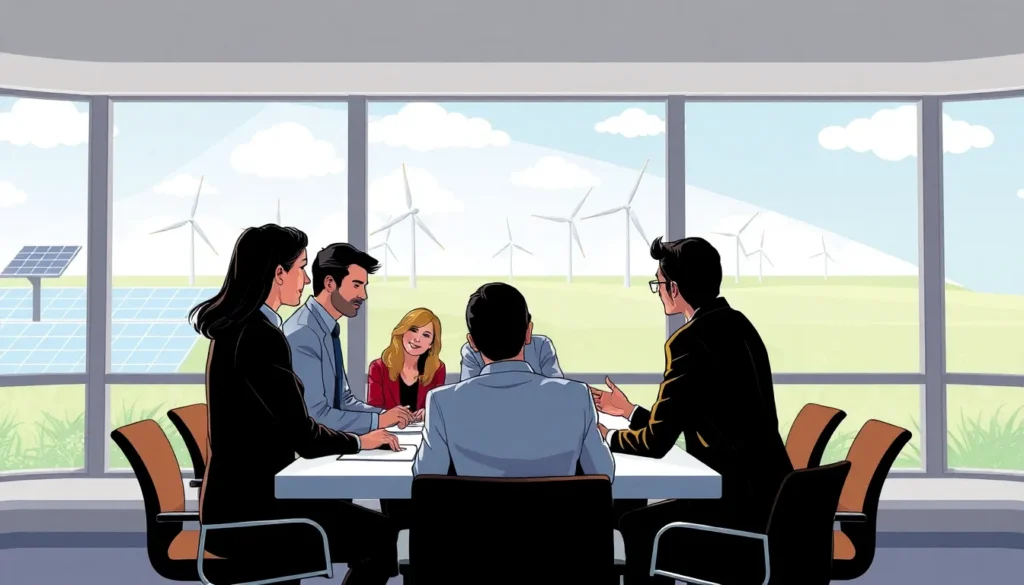
Innovative technologies drive transformation across many sectors, presenting new pathways for a sustainable future. Understanding these technologies reveals their immense potential.
Renewable Energy Sources
Renewable energy sources play a crucial role in addressing climate change. Wind, solar, and hydroelectric power provide alternatives to fossil fuels, reducing greenhouse gas emissions. Solar energy, for instance, has seen a 24% annual growth rate, making it a leader in clean energy. Wind energy, generating over 700 gigawatts globally, contributes significantly to electricity needs. Additionally, advancements in battery storage improve energy reliability and efficiency. Investing in these renewable sources promotes sustainable practices while powering homes, businesses, and industries.
Artificial Intelligence Advancements
Artificial intelligence advancements reshape industries and enhance productivity. Machine learning algorithms analyze large data sets, delivering insights that inform decision-making. In healthcare, AI-driven diagnostics significantly improve patient outcomes, enabling earlier disease detection. The retail sector benefits from AI through personalized shopping experiences and inventory management. Financial institutions utilize AI for fraud detection, streamlining processes and enhancing security. Many companies adopt AI solutions to automate repetitive tasks, freeing employees to focus on strategic initiatives. Embracing AI fosters innovation and positions organizations for future success.
Social Implications of Tomorrow’s Solutions
The evolution of tomorrow’s solutions carries profound social implications that affect various aspects of daily life. These innovations not only drive progress but also reshape how societies function.
Economic Benefits
Tomorrow’s solutions significantly enhance economic growth. Job creation emerges through the development of new industries focused on renewable energy and advanced technology. Startups and established companies alike invest in innovative practices, boosting local economies. Increased efficiency leads to lower operational costs for businesses, translating to savings for consumers. Positive impacts also surface in sectors like healthcare, where technology streamlines processes and reduces expenditure. Improved access to education promotes a skilled workforce, fostering long-term economic stability. Engagement with sustainable practices positions communities to thrive, ultimately increasing resilience against economic downturns.
Environmental Considerations
Addressing environmental considerations stands as a core element of tomorrow’s solutions. Innovations in renewable energy sources, such as solar and wind, significantly reduce reliance on fossil fuels. Enhanced energy efficiency not only lowers carbon footprints but also minimizes waste. Sustainable agricultural practices contribute to ecosystem preservation, ensuring food security for future generations. Urban areas benefit from green technology like smart buildings that optimize resource use, paving the way for cleaner cities. By embracing environmentally friendly innovations, societies can cultivate healthier living conditions and promote biodiversity. Prioritizing these aspects fosters a harmonious relationship between economic growth and environmental sustainability.
Challenges Ahead
Tomorrow’s innovative solutions face significant hurdles. Addressing these challenges requires a strategic approach.
Implementation Barriers
Organizations encounter various implementation barriers when integrating new technologies. Funding constraints limit access to necessary resources, hindering progress. Additionally, existing infrastructure may not support advanced solutions, impeding widespread adoption. Skill gaps among the workforce can further complicate matters, as employees may need training to understand cutting-edge technologies. Regulatory frameworks may also present obstacles, potentially slowing down innovation. Each of these factors can create significant delays, making it crucial for stakeholders to collaborate and devise actionable strategies.
Public Perception Issues
Public perception poses a notable challenge for tomorrow’s solutions. Skepticism about new technologies often influences acceptance levels, creating resistance to change. Misunderstandings regarding the safety and efficacy of innovations can exacerbate these concerns. Concerns about job losses due to automation can further fuel apprehension, leading to reluctance in embracing new approaches. Effective communication is vital to address these perceptions, as transparent discussions about benefits can foster trust. Strategies that focus on community engagement can help shift narratives and build a foundation for acceptance, ultimately promoting a more favorable environment for innovation.